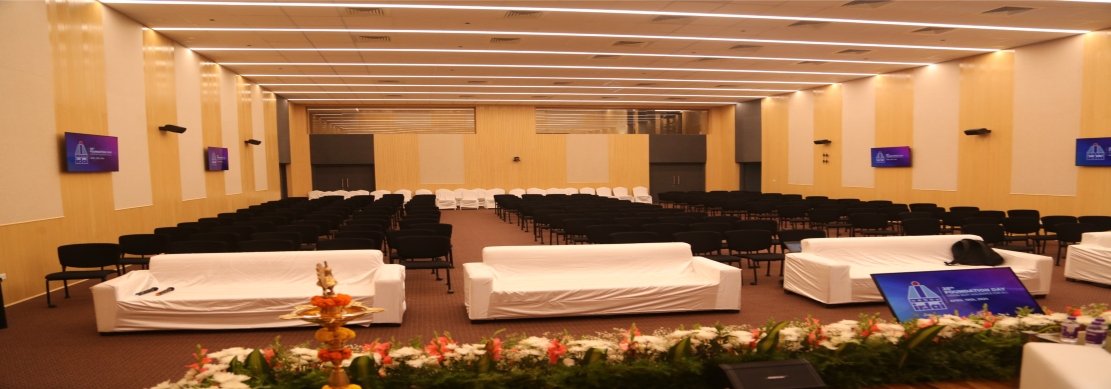
Hyderabad is experiencing an unprecedented urban and economic boom. From the sprawling IT corridors of HITEC City, Gachibowli, and the Financial District to the thriving commercial hubs of Madhapur, Jubilee Hills, and Banjara Hills, the city's skyline is expanding at record speed. However, this hyper-growth brings a persistent and often overlooked challenge: pervasive urban noise pollution.
With constant traffic congestion, bustling open-plan corporate offices, crowded commercial buildings, and nearby high-rise construction, maintaining peace, privacy, and focus has become difficult. Consequently, property owners, interior designers, and architects across the region are shifting how indoor environments are built. Today, professional Acoustic Treatment in Hyderabad is no longer viewed as an exclusive luxury for recording studios; it has become an essential requirement for corporate productivity, commercial success, and residential well-being.
Urban density in tech-driven metros creates a unique soundscape. High-rise glass facades, concrete walls, and polished marble or tile flooring—common architectural elements in modern Hyderabad constructions—are highly reflective to sound. Sound waves bounce off these hard surfaces, amplifying background noise, creating persistent flutter echoes, and significantly reducing speech clarity.
Whether you manage an open-plan tech office in Gachibowli, run a fine-dining establishment in Jubilee Hills, or set up a personal home theater in Kondapur, unmanaged acoustic clutter degrades comfort and functionality. Implementing engineered acoustic solutions remedies these issues by balancing sound reflections, dampening ambient chatter, and preventing external noise intrusion.
When planning Acoustic Treatment in Hyderabad, property owners frequently confuse soundproofing with sound absorption. While both work together in a comprehensive acoustic design, they serve fundamentally different functions, rely on different materials, and address distinct sound behaviors.
Soundproofing (Noise Isolation)Soundproofing focuses on blocking external noise from entering a space or preventing internal sound from escaping it. It targets both airborne noise (such as traffic, machinery, or loud voices from adjacent rooms) and impact noise (such as footsteps or structural vibrations). Effective soundproofing relies on dense, heavy, and decoupled materials installed inside walls, ceilings, and flooring during construction or structural renovation.
Sound Absorption (Echo & Reverberation Control)Sound Absorption (Echo & Reverberation Control) Sound absorption targets noise generated within a room. When sound waves hit hard surfaces like glass or concrete, they reflect back into the room, creating echo and reverberation. Sound absorption uses porous, soft materials to capture sound waves, converting sound energy into trace heat, which clears up audio quality and lowers internal volume.
| Parameter | Soundproofing (Noise Isolation) | Sound Absorption (Acoustic Comfort) |
|---|---|---|
| Primary Goal | Blocks sound transfer between distinct spaces | Reduces internal echo, reverberation, and ambient noise levels |
| Material Characteristics | Heavy, dense, mass-loaded, and airtight | Porous, lightweight, fibrous, and open-cell |
| Typical Materials | Mass Loaded Vinyl (MLV), resilient channels, dense drywall, acoustic insulation | Fabric-wrapped panels, acoustic foam, PET felt, wooden slats, ceiling baffles |
| Key Metric | Sound Transmission Class (STC) | Noise Reduction Coefficient (NRC) |
| Best Used For | Blocking outdoor traffic noise, isolating mechanical rooms, speech privacy between cabins | Improving speech clarity in conference rooms, classrooms, home theaters, and cafes |
Modern architectural design demands solutions that perform visually as well as acoustically. High-quality Acoustic Treatment in Hyderabad relies heavily on specialized panels and decorative elements that double as intentional interior design features.
Every architectural layout presents distinct sound challenges. Achieving optimal results requires matching the right acoustic materials to the specific functional needs of the space:
1. Corporate Offices, IT Parks & Co-Working SpacesIn open-plan offices across HITEC City and Gachibowli, constant background chatter, phone calls, and foot traffic create high ambient noise that reduces employee concentration and increases mental fatigue. Additionally, glass-walled conference rooms suffer from internal echoes, making video calls unclear and risking speech privacy.
Install wall-mounted fabric panels, suspended ceiling baffles above open workstation clusters, and high-STC wall insulation between executive cabins to maintain speech privacy and focus.
2. Home Theaters, Recording Studios & Media RoomsHyderabad’s residential real estate boom has seen a sharp surge in dedicated home theaters, high-end audio rooms, and private media spaces. Premium audio setups need a properly controlled environment to deliver punchy bass, clear dialogue, and precise spatial imaging.
Combine heavy wall soundproofing (MLV and dense insulation) with strategic sound absorption. Position acoustic panels at first reflection points on side walls and ceilings, and install corner bass traps to manage low-frequency resonance.
3. Restaurants, Cafes & Hospitality VenuesIn crowded commercial hubs like Madhapur and Jubilee Hills, high ambient noise forces patrons to speak louder, creating an escalating noise spiral known as the "Lombard effect." Excessive noise makes communication uncomfortable and degrades the overall customer experience.
Integrate seamless ceiling clouds, perforated wood wall panels, or concealed under-table acoustic pads that lower overall reverberation while maintaining the venue's visual design.
4. Educational Institutions, Auditoriums & Worship SpacesLectures, presentations, and musical performances require high speech intelligibility. In large spaces like school auditoriums or university lecture halls, long reverberation times cause speech to slur together, making it difficult for audiences to hear clearly.
Apply rear-wall sound absorption to prevent echo reflection back to the stage, combined with angled acoustic diffusers on side walls to distribute sound evenly across the room
Achieving predictable sound performance requires a systematic engineering process rather than random panel installation:
Acoustic engineers evaluate the space using specialized tools to measure baseline Reverberation Time RT60, sound decibel levels dBA, and identify structural noise leakage points.
2. Acoustic Simulation & ModelingAdvanced software models the room’s geometry and existing surface materials to calculate the precise surface area of absorption or soundproofing needed.
3. Material CustomizationProducts are selected based on target NRC/STC ratings, fire safety standards, durability, and interior aesthetic preferences.
4. Precision InstallationSkilled installers fit panels, baffles, isolation clips, and acoustic seals to ensure zero acoustic bridging or sound leaks.
5. Post-Installation TestingFinal testing measures the reduced RT60 times and decibel drops to verify performance against design standards.
Investing in professional Acoustic Treatment in Hyderabad delivers tangible value across corporate, residential, and commercial sectors:
Whether outfitting a corporate office in HITEC City, engineering a high-end home cinema in Kondapur, or opening a cafe in Jubilee Hills, tailored Acoustic Treatment in Hyderabad turns noisy interiors into quiet, functional, and aesthetically appealing environments.
Get customized acoustic treatment and soundproofing solutions designed around your project's requirements. Speak with our acoustic team to discuss your space and requirements.
Book an Acoustic Consultation


 +91 9779512233


